🎯☕ We Tested 1000 Hooks, and here’s what nobody wants to admit.
The NFL decides whether to go for it on fourth down based on analytics.
Fortune 500 companies used to PAY millions just to know what you’d click on before you ever saw it.
That’s not new.
That’s just data telling you what already works instead of guessing.
And that’s exactly why we tested 1000 hooks, so you don’t have to.
But knowing a hook works isn’t the same as making it work for you. Most people get this wrong, they just duplicate the hook word for word instead of replicating what actually makes it work.
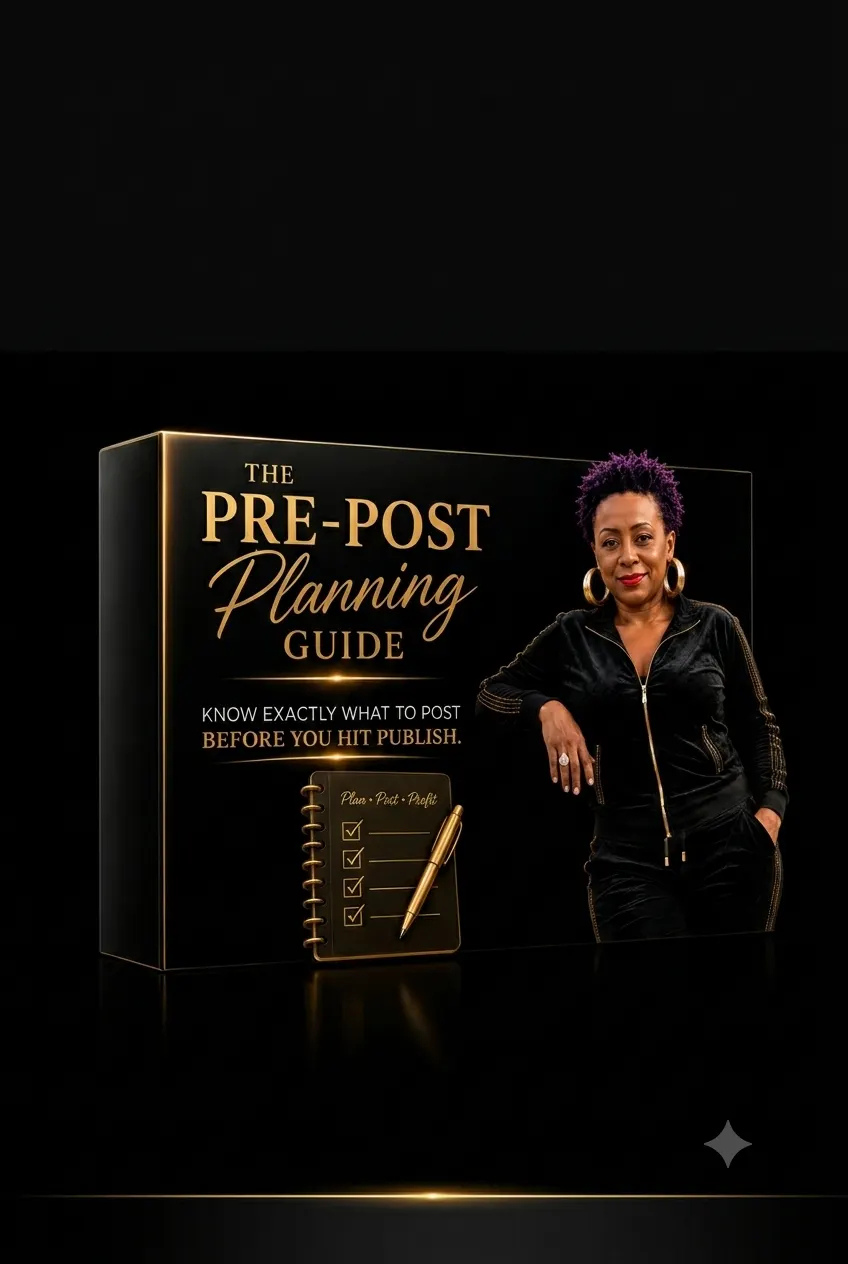
There’s a specific process behind that, and it’s exactly what we walk through in our free Pre-Post Planning Checklist.
We Tested 1000 Hooks, Here’s What Actually Made the List
Remember when every store wanted your email for “no reason”?
That wasn’t random.
That was data collection, one email at a time, so a company never had to guess again.
A failed product launch costs thousands. A failed hook costs you the same thing, just quieter. Nobody sees the sale that never happened.
Here’s the part most people miss. You don’t have to spend three hours agonizing over a new hook every time you sit down to write.
The music industry has reused proven formulas for decades. Movie titles follow the same patterns on purpose. Proven isn’t lazy. It’s smart.
According to ESPN’s analytics coverage, NFL coaches have historically played it too conservative on fourth down, exactly the situations where the data clearly says to go for it. Sound familiar? Most content creators do the same thing with hooks. Playing it safe when the data already points somewhere else.
So what did 1000 hooks tested actually teach us? Three things, every time, without fail.
How We Actually Tested 1000 Hooks
Not in a lab. Not in theory. Across real Pinterest pins, real Threads posts, real blog titles, over months of actual publishing.
Every hook got scored the same way. Did it earn a click. Did the click turn into a read. Did the read lead anywhere.
Most “hook advice” online comes from someone’s opinion about what sounds catchy. This came from watching what a real audience actually did, over and over, until a pattern couldn’t be ignored anymore.
That’s the difference between a guess dressed up as a tip, and a result backed by 1000 hooks tested against real behavior.
- ✅ Specific beats clever. A hook naming a real number outperforms a witty one-liner almost every time.
- ✅ A question outperforms a statement. Questions make the reader answer in their head before they even realize they’re hooked.
- ✅ Format matters more than topic. The same idea in a “we tested” format consistently outperforms the same idea framed as advice.
Here’s the catch though.
Knowing those three things isn’t the same as knowing which one to use for your audience, your platform, your offer.
That’s the part that separates a hook that gets a glance from a hook that gets a click. And that’s exactly what we’re about to break down.
Grab the free checklist here if you want to follow along and score your own hooks as we go.
Why Most People Replicate Wrong
Most creators see a viral hook and copy it word for word.
Wrong move.
A hook that worked for a fitness account won’t automatically work for a bookkeeping business. The words aren’t magic. The structure underneath them is what’s repeatable.
Take a hook like “I found this out by accident.” Swap the topic, keep the structure: confession, stakes, payoff. It works in fitness, finance, real estate, anywhere there’s a story worth telling.
Same goes for “Nobody tells you this, but…” The words change every time. The shape stays identical: insider knowledge, withheld information, payoff for sticking around.
Or “I tested X so you don’t have to.” That’s the exact shape of this post’s own title, and it’s not a coincidence. It’s one of the highest-scoring structures across all 1000 hooks tested, because it does the work for the reader before they even click.
That’s replicating. Not duplicating.
Now here’s a curiosity loop for you. There’s one hook format that outperformed every single one of the other 999 we tested combined. Before I tell you what it is, you need to understand why the other 999 fell short first.
Most hooks fail for one of two reasons. Either they’re too vague to earn a second look, or they’re too clever to be believed. The winning format threads that needle every time, specific enough to feel real, simple enough to trust immediately.
Want the exact format, plus 25 more that scored just as high? That’s inside the free checklist, along with the process for adapting any of them to your own business.
Five Formats From the We Tested 1000 Hooks Results
Here are five structures pulled straight from the testing, ready to adapt to whatever you sell.
1. The confession. “I found out [surprising thing] by accident.” Works because it feels like insider information, not a sales pitch.
2. The myth-bust. “Everything you know about [topic] is wrong. Here’s what actually works.” Works because it creates friction with what the reader already believes.
3. The receipts. “I did [specific number] and here’s exactly what happened.” Works because a real number is harder to scroll past than a vague claim.
4. The warning. “Stop doing [common habit] before it costs you [specific consequence].” Works because avoiding loss pulls harder than gaining something new.
5. The direct callout. “If you’re [specific identity], this is exactly for you.” Works because it removes any doubt about whether the content applies to them.
Notice none of these are clever wordplay or puns. Every single one earned its spot through repetition, not creativity. That’s the whole point of testing instead of guessing.
Making a Hook Work for You, Not Just Anyone
This is the step everyone skips.
You find the format. You plug in your topic. But you never ask who, specifically, is supposed to feel called out by it.
A hook aimed at “small business owners” scores lower than one aimed at “the small business owner who just posted and got zero engagement again.” Same idea, completely different pull.
Here’s another loop. There’s a one-word swap that took one of our lowest-scoring hooks and turned it into a top performer overnight. Keep reading, because it’s not the word you’d guess.
It was the pronoun.
Swapping “you” for a named identity, “the busy mom,” “the burned-out agent,” did more for click-through than any clever wordplay we tested. Specificity isn’t just about numbers. It’s about naming exactly who’s standing in front of the mirror when they read it.
This is what the checklist walks you through. Not just the formats. The identity behind them.
Here’s the actual key most people miss. It was never really about a thousand hooks. The key is writing hooks that pertain to your specific business, your specific offer. That’s exactly where people go wrong when they replicate someone else’s post.
Our step-by-step system helps you get that part right, so the hook you write actually fits what you’re selling.
If you’ve already read our Scroll-Stopping Viral Hook Scoring Guide, this is the step that comes before scoring. You can’t score a hook’s relevance if you never named who it’s actually for in the first place.
Put the two together and you’ve got the full picture. Pick the format, name the person, then score the result before you publish.
We gave you the format. But here’s what you really need to know so you can write the hook that’s actually right for you.
👉 Click the image below to steal the exact framework.
One Last Loop Before You Go
Here’s the last thing worth knowing before you write your next hook.
Out of 1000 hooks tested, the highest performer wasn’t the boldest. It wasn’t the most dramatic. It was the one that made the reader feel like we’d read their mind first, then handed them the exit before they even asked for one.
That’s what a real hook does. Not louder. Not flashier. Seen, then solved.
We tested 1000 hooks so you wouldn’t have to guess at yours.
Grab the free Pre-Post Planning Checklist and get the formats, the framework, and the process to make any hook work for your audience.
👇 Click the image below to grab your free checklist.
If this helped, follow along on Pinterest for more of this, no fluff, no filler, just what actually works.
Leave a Reply